



Dubai’s roads rank among the busiest globally, and maintaining order on them has become an increasing focus for authorities. In recent years, efforts have intensified to address not only traffic flow but also the impact of driving behaviour on residents’ daily lives. One of the key measures introduced is the Quiet Roads Initiative, a programme designed to reduce noise, improve safety, and create a more comfortable urban environment.
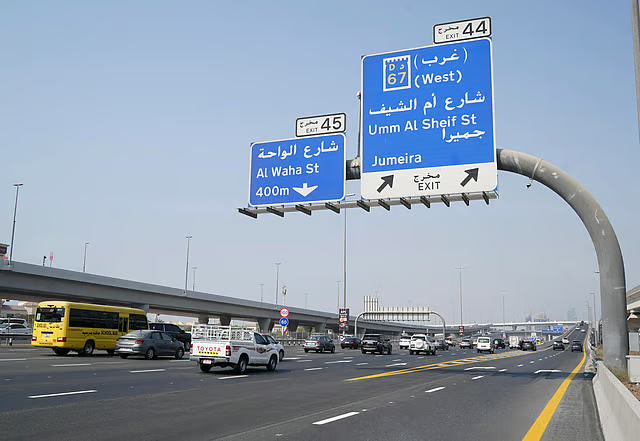
Launched in 2021, the initiative targets disruptive driving practices that affect both road users and surrounding communities. It focuses on issues such as excessive vehicle noise, reckless manoeuvres, and behaviour that disturbs residential areas. By combining enforcement with data-driven monitoring, authorities have been able to identify high-risk locations and recurring violations, allowing for more targeted action.
Since its rollout, enforcement activity has been extensive. Thousands of violations have been recorded, along with a significant number of vehicle impoundments. Offences have ranged from unauthorised vehicle modifications and unnecessary use of horns to more serious cases involving dangerous driving. The figures reflect a consistent effort to address behaviour that compromises both safety and public comfort.
For drivers, understanding the rules linked to this initiative is essential. Operating a vehicle that generates excessive noise can result in substantial penalties, including fines and black points on a driving record. Similarly, driving in a manner that endangers others, particularly in residential zones, school areas, or near public facilities, carries stricter consequences. In more serious cases, penalties may include temporary vehicle confiscation or licence restrictions.
Unauthorised modifications are another key focus. Altering a vehicle’s engine, exhaust, or structure without proper approval can lead to fines, black points, and impoundment. These measures are intended to discourage practices that increase noise levels or compromise road safety.
The broader goal of the initiative is not only enforcement but also awareness. By encouraging responsible driving habits, authorities aim to reduce disturbances in residential neighbourhoods while promoting a safer road culture across the city. As Dubai continues to expand its infrastructure and population, balancing mobility with quality of life remains a central priority.
For residents and motorists alike, the message is straightforward: responsible driving is no longer just about following traffic rules, but also about contributing to a quieter, safer, and more liveable city environment.
 Watch AD


 Trending News


